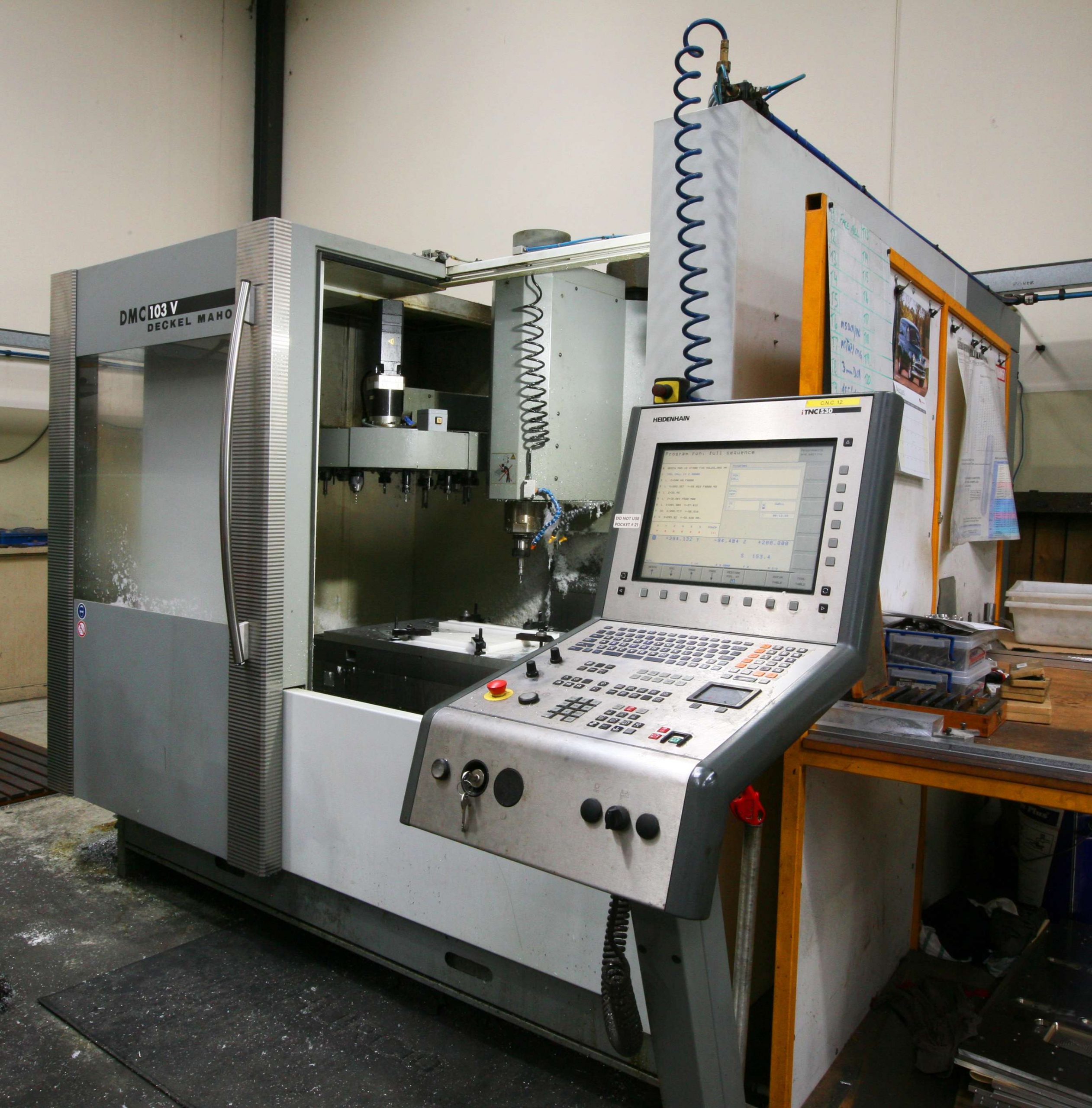
Plan custom machine automation for a specific production constraint with Semtool Engineering in Melbourne—start with a practical project review.
Custom machine automation is purpose-designed equipment that performs or assists a defined production task. It should begin with the process problem, not a catalogue of unverified technology. Our team develops custom machinery and automation around the component, operator requirements, available floor space and intended production sequence.
When Does Custom Automation Make Sense?
Automation may suit a repetitive process, difficult handling step or specialised operation that standard machinery cannot address effectively. Before proposing a machine, we need to understand the current method, expected output, product variation and interfaces with existing equipment. The result may be a complete machine, fixture, handling mechanism or targeted modification rather than an unnecessarily complex line.
What Should Be Defined Before Design Begins?
A clear brief prevents the project from being driven by assumptions. We recommend documenting the following factors before concept development:
- Process objective: Describe the task, current constraint and measurable outcome the equipment must support.
- Component range: List product sizes, weights, materials and variations that the machine may need to accommodate.
- Operator interaction: Identify loading, unloading, adjustments, cleaning and routine access requirements.
- Existing interfaces: Record upstream and downstream machinery, utilities, controls and available floor area.
- Acceptance criteria: Agree on the required function, cycle expectations and verification process before manufacture.
Safety Belongs in The Project Brief
Automation does not remove the need for workplace risk management. The Safe Work Australia plant code covers design, installation, commissioning, use, maintenance and modification of plant. Responsibility for the final workplace system may involve the designer, manufacturer, installer and business operating the equipment, so safety requirements must be discussed early.
Our work on automated jigs and fixtures shows how a focused production aid can sometimes solve a bottleneck without rebuilding an entire line. We assess the task first and then determine the appropriate mechanical response.
How An Automation Project Progresses
A practical project may move through requirement review, concept development, detailed design, manufacture, assembly and testing. The stages depend on complexity and the agreed scope. Electrical controls, guarding, installation and commissioning responsibilities should be identified early, particularly where several suppliers or the client’s own engineering team will contribute.
We also consider maintainability. Operators and maintenance personnel need appropriate access to components that require inspection, adjustment or replacement. Changeover requirements should be defined where more than one product is processed. These questions help turn a production idea into a machine brief that can be assessed, costed and delivered with fewer assumptions.
Budget discussions should distinguish the machine build from site preparation, electrical work, guarding interfaces, freight, installation and production support where those items sit outside the quoted scope. A documented responsibility matrix helps the client compare proposals fairly and understand which project tasks remain with its own team or another contractor.
Discuss Your Production Constraint
Semtool Engineering provides precision engineering, CNC machining, componentry, jigs, fixtures and specialised automation in Melbourne. Contact us with your process description, component information and available layout. We can review the requirement and outline the next practical step.